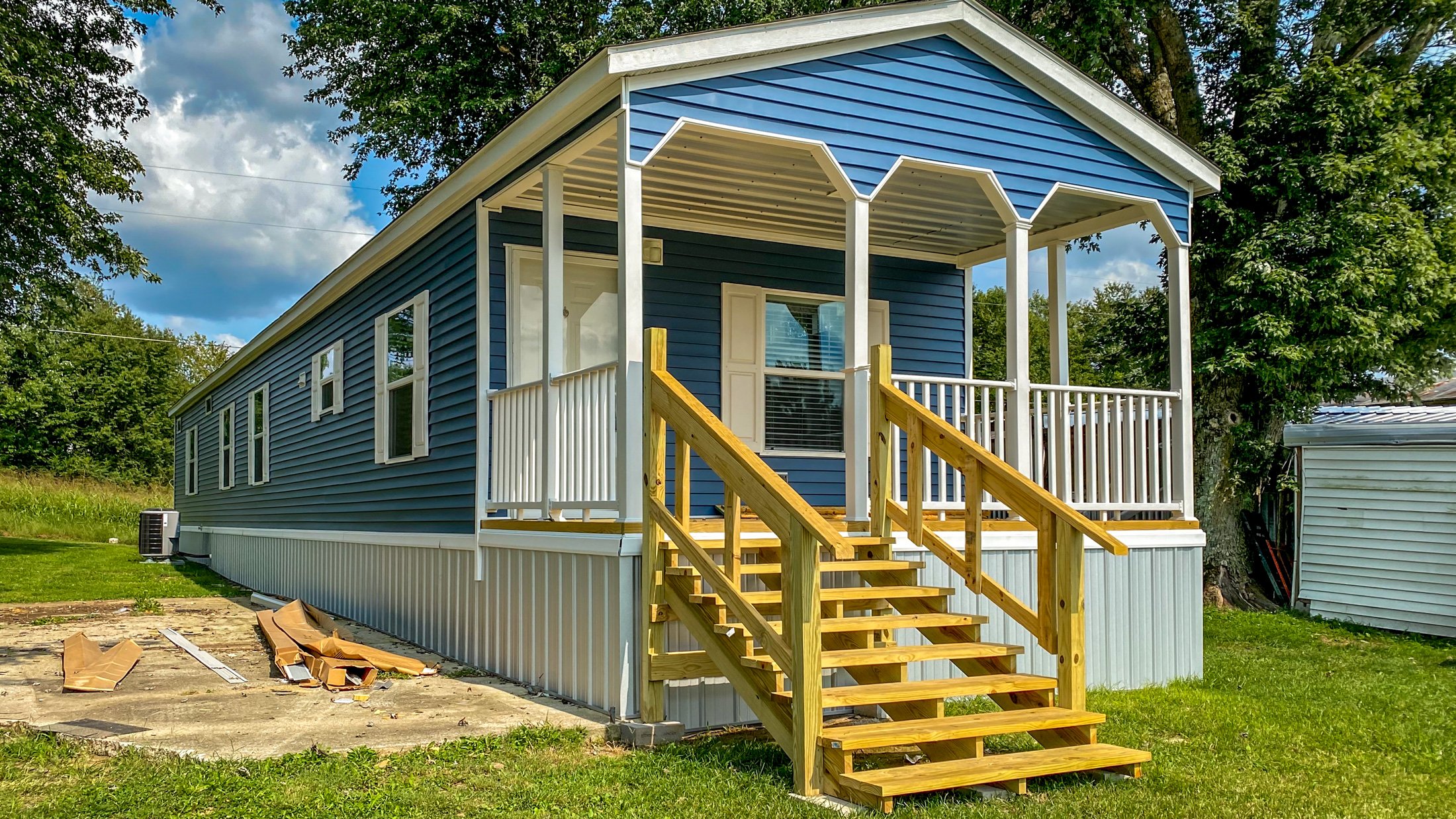
Aligning your trailer is an important task that every dweller should be familiar with. Over time, factors such as terrain changes, weather changes, and wear and tear can cause your home to become uneven. How to level a mobile home can lead to a variety of challenges, from stuck doors and broken walls to major structural problems. Knowing how to level your manufactured home not only enhances your living conditions but also safeguards your investment.
In this ultimate guide, we will guide you through the thorough method of adjusting your trailer like a professional. No matter if you are a experienced DIY enthusiast or a first-time homeowner, our useful advice and tips will help you grasp why leveling is important, how to spot the indicators that your home is out of level, and the tools you’ll require for the job. We’ll also address maintenance tips to keep your home steady in the long run and when it might be advisable to call in a professional. Brace yourself to transform your manufactured home into a secure and welcoming space.
Understanding Leveling for Mobile Homes
Stabilizing a mobile home is a vital aspect of maintaining its structural integrity and guaranteeing the well-being of its occupants. Over time, various factors such as land degradation, freeze-thaw cycles, and foundation shifts can cause a mobile home to settle unevenly. If left unchecked, these issues can cause significant problems such as misaligned doors and windows, wall cracks, and even water system problems. Recognizing the importance of leveling is crucial for each mobile home owner.
The leveling process includes tweaking the elevation and security of the home so that it remains flat on its foundation. This is typically done by using specialized tools such as lifting devices, spacers, and leveling tools. For mobile homes that are not established on traditional basements or slabs, it is especially vital to keep the home level to prevent further damage. Moreover, a flat mobile home is not only easier to live in but also maintains its worth over time, securing your asset.
Regular maintenance and evaluations are essential to ensuring that your mobile home stays level. Homeowners should be mindful of the critical signs that suggest that leveling may be required, such as tilted floors, walls that lean, or discrepancies between the home and its base. By being proactive, you can successfully handle your mobile home's leveling needs and avoid costly repairs down the line.
Essential Tools and Techniques
To successfully level your mobile home, you will need a collection of essential tools that ensure precision and protection throughout the process. A good quality leveling tool, such as a hydraulic level or a electronic level, is crucial for determining the elevation and positioning of your home. In addition to these, a tape measure helps in taking accurate measurements, while a carpenter’s level is useful for checking certain areas of your floors and foundation. In furthermore, having a sturdy jack to lift the mobile home securely is vital, as it will allow you to position shims or blocks accurately.
Techniques play an also important role in the leveling process. Start by inspecting the base and the surrounding ground conditions, as these factors can considerably influence the security of your mobile home. When using jacks, always place them at designated points under the frame to avoid damage. Once your home is lifted, insert shims or leveling blocks to close any gaps and distribute weight evenly. house leveling supports your home but also helps in preventing future settling.
After completing the leveling, it's necessary to double-check that all aspects is secure and stable. Once satisfied with the adjustments, you should conduct checks to ensure that your doors and windows operate smoothly, with no sticking or problems. Ongoing maintenance checks will let you keep an eye on your home's level over time, ensuring any potential issues can be addressed before they become serious problems.
Maintenance and Issue Resolution
Regular maintenance is crucial for keeping your mobile home remains level and stable over time. After you have finished the leveling process, it’s important to monitor the condition of your home and its foundation regularly. Looking for signs of shifting or settling, such as doors jamming or gaps in windows, can help you identify problems early. Create a periodic checklist that includes inspections of support piers, shims, and the general condition of the foundation to ensure consistent stability.
When troubleshooting issues related to an unlevel mobile home, it’s important to determine the cause of the problem. Typical causes include soil erosion, tree root intrusions, or poor drainage. Use simple tests to check levelness at various points around your home, and evaluate the foundation support. If you detect significant unevenness, think about jacking up the home to make adjustments and strengthen existing support structures, as this can help preserve a proper level.
In some cases, even with regular maintenance, you may encounter complicated issues that require professional assistance. If DIY fixes are not working, it’s prudent to understand when to call a specialist. A trained expert can provide a comprehensive assessment and implement solutions that may go beyond simple leveling, ensuring your investment is protected and that your home stays safe and comfortable for years to come.
Lonestar Mobile Home Leveling & Skirting
276 County Rd 1700
Clifton, TX 76634
(254)266-5369